
Key Takeaway:
Fake tickets expose fans to a threat that extends far beyond the box office, and brand protection in the music industry now has to cover impersonation and counterfeit merchandise in the same strategy.
Fans wait months for a ticket to a sold-out show. Then they show up at the venue and find out the ticket never existed, or that someone else already used it to get in. Fake tickets have pushed paying fans out of gates they saved up to walk through, and the stories spread fast on social media once they happen.

This post breaks down how fake tickets fit into a much wider threat landscape facing artists today, and why brand protection in the music industry has to cover impersonation, counterfeit merchandise, and fake promotions in the same strategy. We will also look at why manual monitoring alone cannot keep pace with how fast these scams move, and what a coordinated defense looks like in practice. If you manage brand risk for an artist, a label, or a touring act, you can also see how a tailored brand protection strategy can shut these threats down before they reach your fans.
When fake tickets hit a sold-out tour
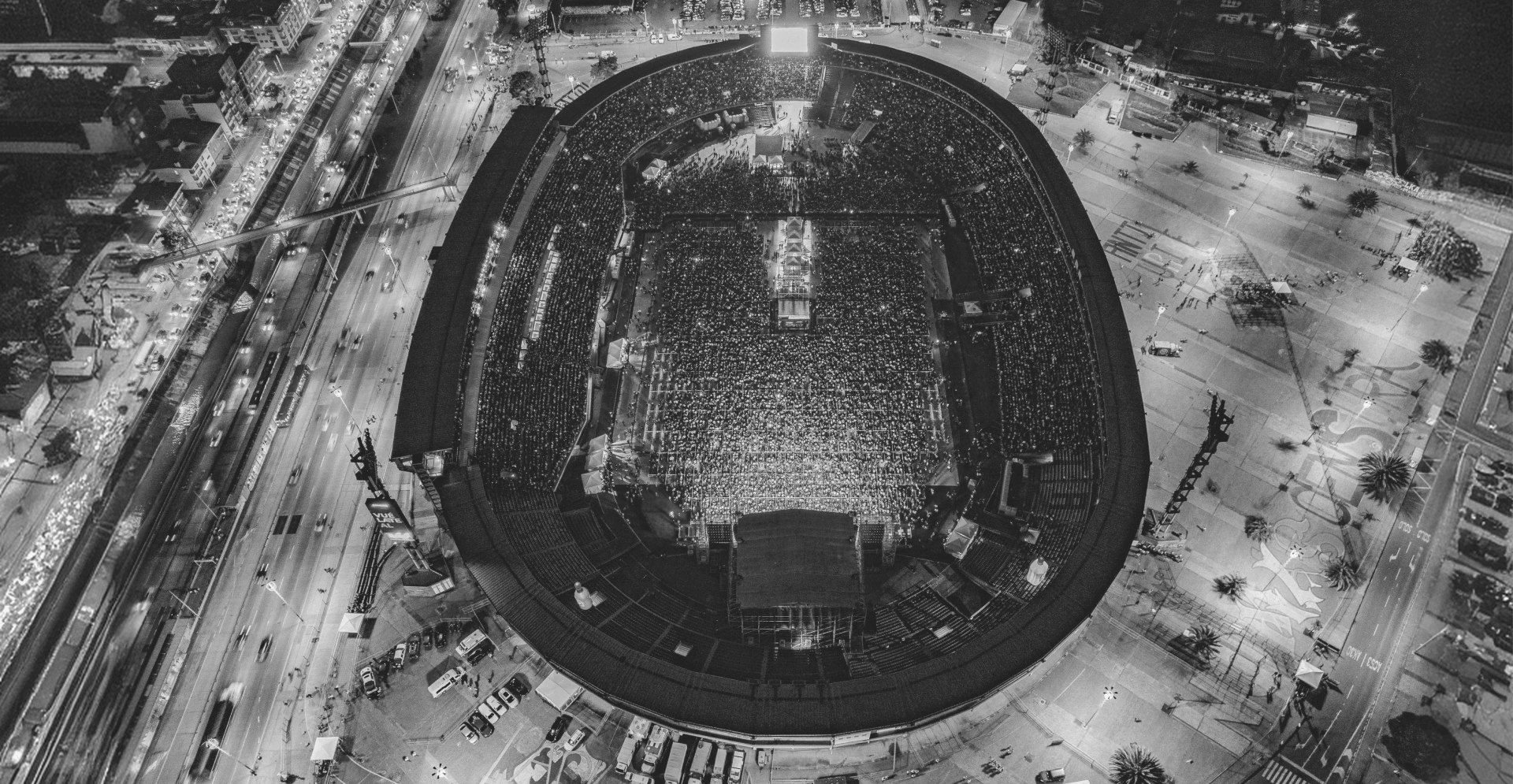
High-demand residencies and stadium tours create the perfect conditions for ticket fraud. Limited inventory, huge demand, and fans desperate not to miss out give scammers an easy script to follow. Consumer protection offices in multiple markets have issued public warnings about fake and duplicate tickets tied to major tours, confirming what artist management teams already suspected.
These are not isolated incidents. They are a preview of what happens when a global fanbase, a high-value tour, and a fragmented ticketing landscape collide. The bigger an artist’s reach, the bigger the target their fans become, and scammers know exactly which shows will sell out fastest. Fake tickets thrive wherever official inventory runs out before demand does.
Beyond ticket scams: The full range of threats
Ticket fraud is only one entry point into a much broader problem. Artists and their teams now face threats that touch nearly every part of their public and commercial presence, often at the same time.
Impersonation sits at one end of that spectrum. Fraudsters clone an artist’s voice or likeness using generative AI, or build fake social accounts close enough to a verified page to fool a casual follower. These accounts often push fake VIP offers, fraudulent giveaways, or investment schemes, borrowing an artist’s real influence to sell a scam the artist never approved.
Counterfeit merchandise sits at the other end. Unauthorized apparel, drinkware, and collectibles carrying an artist’s likeness or tour branding tend to appear online within days of an official drop. Livestream shopping has sped this up further, giving counterfeit sellers a fast-moving channel to sell volume before a brand protection team can even flag the listing. Unauthorized ticket resale networks sit between these two extremes, exploiting the same high demand and limited inventory that drives ticket scams in the first place.
A global problem, with regional hot spots
Brand protection strategies built for one region rarely translate cleanly to another, and the music industry now operates on a genuinely global stage. Every touring market brings its own mix of consumer protection laws, enforcement bodies, and social media habits, and a strategy that only accounts for one market leaves fans exposed everywhere else.

Latin America illustrates this well. Fragmented ticketing infrastructure across the region creates more openings for duplicate or fake listings to slip through, since fewer markets have the consolidated, verified platforms common elsewhere. Cross-border touring compounds the issue further, as an artist moving between several countries in one tour cycle faces a different set of rules and risks at every stop.
Social commerce plays an outsized role in LATAM fan culture, with platforms like TikTok Shop driving a significant share of merchandise discovery and purchases. That makes livestream and social commerce monitoring just as important as traditional ecommerce marketplace coverage. Combine all of this with a young, highly online fanbase eager to engage with an artist’s every post, and LATAM becomes a market where scams spread faster and enforcement moves slower than teams are used to elsewhere.
Why manual monitoring alone falls short
Most artist teams start brand protection the same way. Someone on staff searches marketplaces and social platforms by hand, flags anything that looks wrong, and files a takedown request when they find it. This works at a small scale, but it breaks down once an artist reaches real visibility.
Manual searches rely on keywords and obvious logos, so they miss listings that crop out a brand name or bury it inside an image instead of a title. They also cannot keep pace with livestream shopping, where counterfeit sellers and ticket fraud appear and disappear within a single broadcast. Automation solves the scale problem, scanning far more listings, accounts, and channels than any team could cover by hand. It does not replace human judgment. It gives a brand protection team the reach to catch threats early, so people can focus their time on verifying real cases and pushing enforcement through, rather than searching for needles in an ever-growing haystack.
Protecting artists from every angle: Impersonation and merchandising
Closing these gaps means covering an artist’s brand from two directions at once. Digital risk protection covers the impersonation side, tracking fraudulent accounts, deepfakes, and phishing schemes that exploit an artist’s identity across social platforms and the wider web. This includes monitoring emerging channels where scams often surface first, giving management teams the chance to shut down fake accounts and fraudulent promotions before they reach a critical mass of fans.
Online brand protection covers the merchandising and revenue side, tracking unauthorized listings across ecommerce marketplaces, social commerce, and livestream shopping sessions where counterfeit goods move fastest. Advanced image recognition catches counterfeit merchandise even when a logo has been cropped or a product photo altered, closing a loophole that keyword-only monitoring misses entirely. Ticket resale platforms and digital collectible marketplaces fall under this same umbrella, giving artist teams visibility into unauthorized resale activity before fans get burned by fake tickets or fake merch alike.

Conclusions: Protecting musicians and fans at scale
Fake tickets and counterfeit merchandise are symptoms of the same underlying problem. Any artist with a large, engaged fanbase becomes a target, and the artists who protect their brand proactively are the ones who keep their fans‘ trust intact. Reactive, manual monitoring cannot keep pace with a threat landscape that spans ticketing platforms, social media, ecommerce marketplaces, and livestream commerce all at once.
We built a comprehensive breakdown of exactly how these threats play out across the global music industry, along with the specific tools that combine impersonation protection and merchandising defense into a single strategy. You can also check out our free VIP and Exec Protection whitepaper to see how artists, labels, and management teams can get ahead of the fraud before it reaches the next sold-out show.


